It’s the first question almost everyone asks, and the honest answer is: it depends on more than the size. Two conservatories with the same floor area can be priced very differently, because of what’s in the roof, the base and the finish. Here’s what decides the price, so you can compare quotes properly.
The six things that decide the price
1. Size and shape
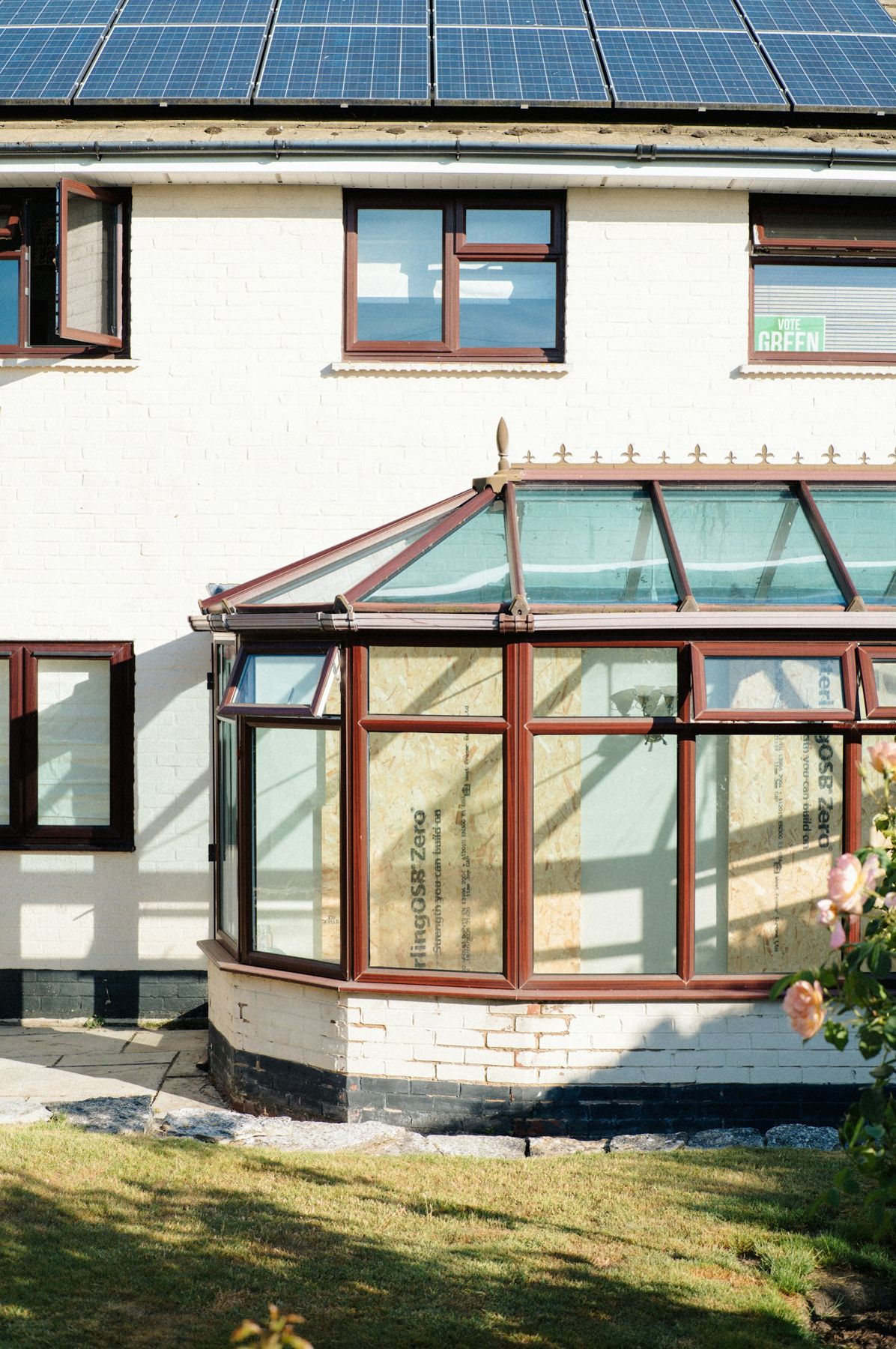
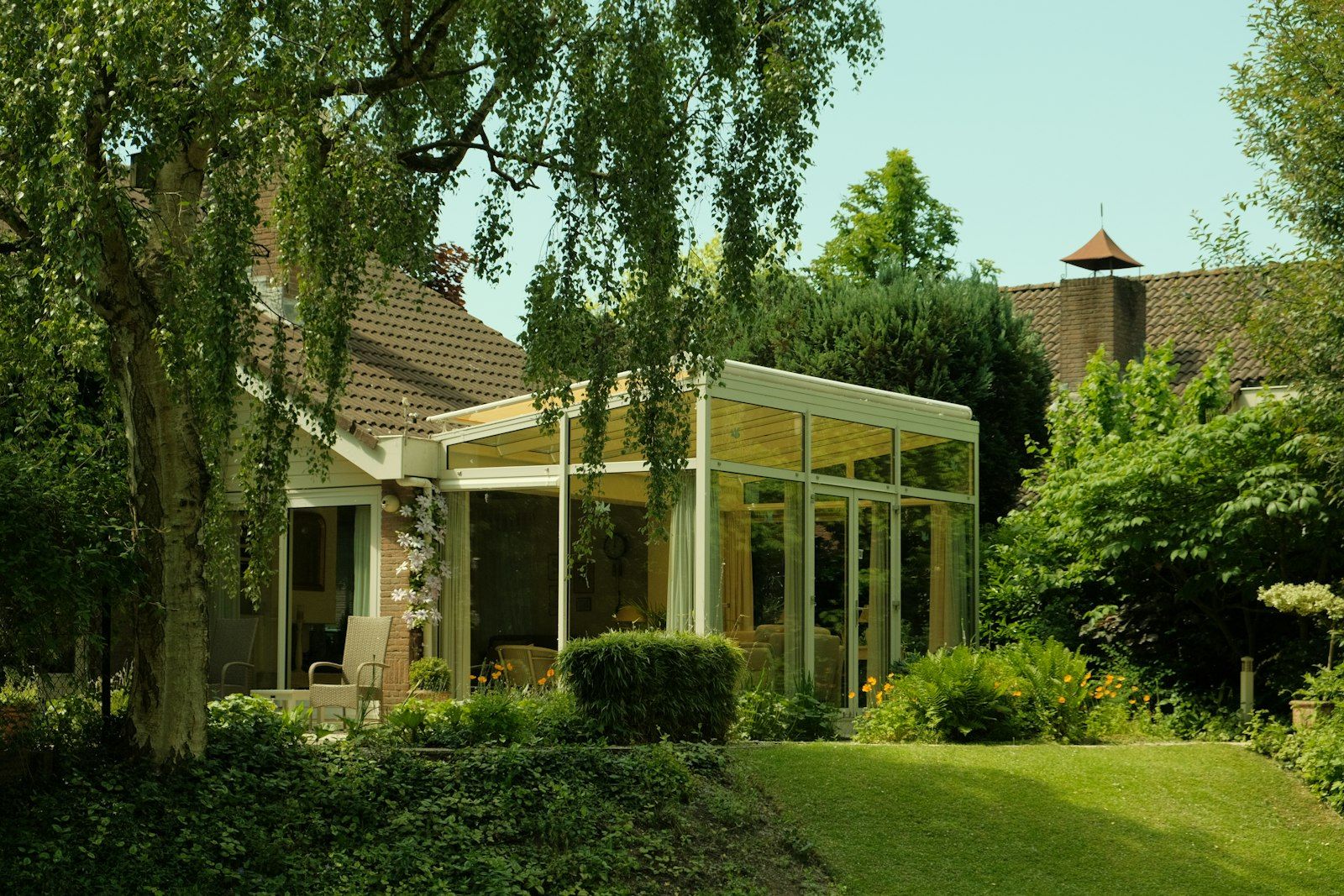
Bigger costs more, but shape matters too. A simple lean-to is usually the most affordable shape, because it has one sloping roof and straight walls. Victorian and Edwardian conservatories sit in the middle. P-shaped and T-shaped designs, with more corners and a more complex roof, cost more. Orangeries are usually the most expensive, because of the extra brickwork, the structural perimeter roof and the plastering.
2. The roof
The roof is often the biggest single choice. A solar-control glass roof costs more than basic glass but makes the room far more comfortable. An insulated tiled roof with a plastered ceiling costs more again, and normally needs Building Control approval, but gives the most even temperature. We don’t fit polycarbonate roofs on new conservatories.
3. Frames
uPVC is the most affordable and needs almost no upkeep. Aluminium costs more, but its strength allows slimmer frames and more glass, in any colour. Timber is usually the most expensive and needs regular maintenance, but suits period homes beautifully. Coloured or wood-effect uPVC costs a little more than white.
4. The base and groundwork
Every conservatory needs proper foundations and an insulated floor slab. Sloping gardens, poor ground, drains in the way or an old patio to break out all add work. A dwarf wall in brick to match your house costs more than full-height glass, but is warmer and often looks better.
5. Doors and glass
Wide bi-fold doors cost more than French doors. Upgraded glass (solar-control, self-cleaning, obscured or acoustic) adds to the price, as do opening roof vents.
6. Finishing and extras
Electrics and sockets, lighting, heating (electric underfloor or radiators), flooring prep, plastering, blinds, removing an existing conservatory, and any planning or Building Control fees.
Why “cheap” quotes often aren’t
A low headline price can leave things out: the base, the electrics, the plastering, skip hire or council fees. Always compare quotes line by line. A good quote lists:
- foundations, base and floor insulation;
- frames, glass type and roof type;
- doors, locks and vents;
- electrics, heating and any plastering;
- planning or Building Control work, if needed;
- removal of rubbish and the final clean;
- the guarantee, and what it covers.
Be wary of “today only” discounts or pressure to sign at the kitchen table. A reputable firm will give you a written quote and time to think.
Is a new roof a cheaper alternative?
If you already have a conservatory with a sound base and frames, replacing the roof is usually much less than building new, and solves most comfort problems. Read our guide on conservatories that are too hot or too cold.
Get a fixed price for your home
The only way to know what your conservatory will cost is to have it measured and specified. Our design visit is free: we measure up, talk through options at different budgets, and send a drawing with a fixed written price that won’t change.