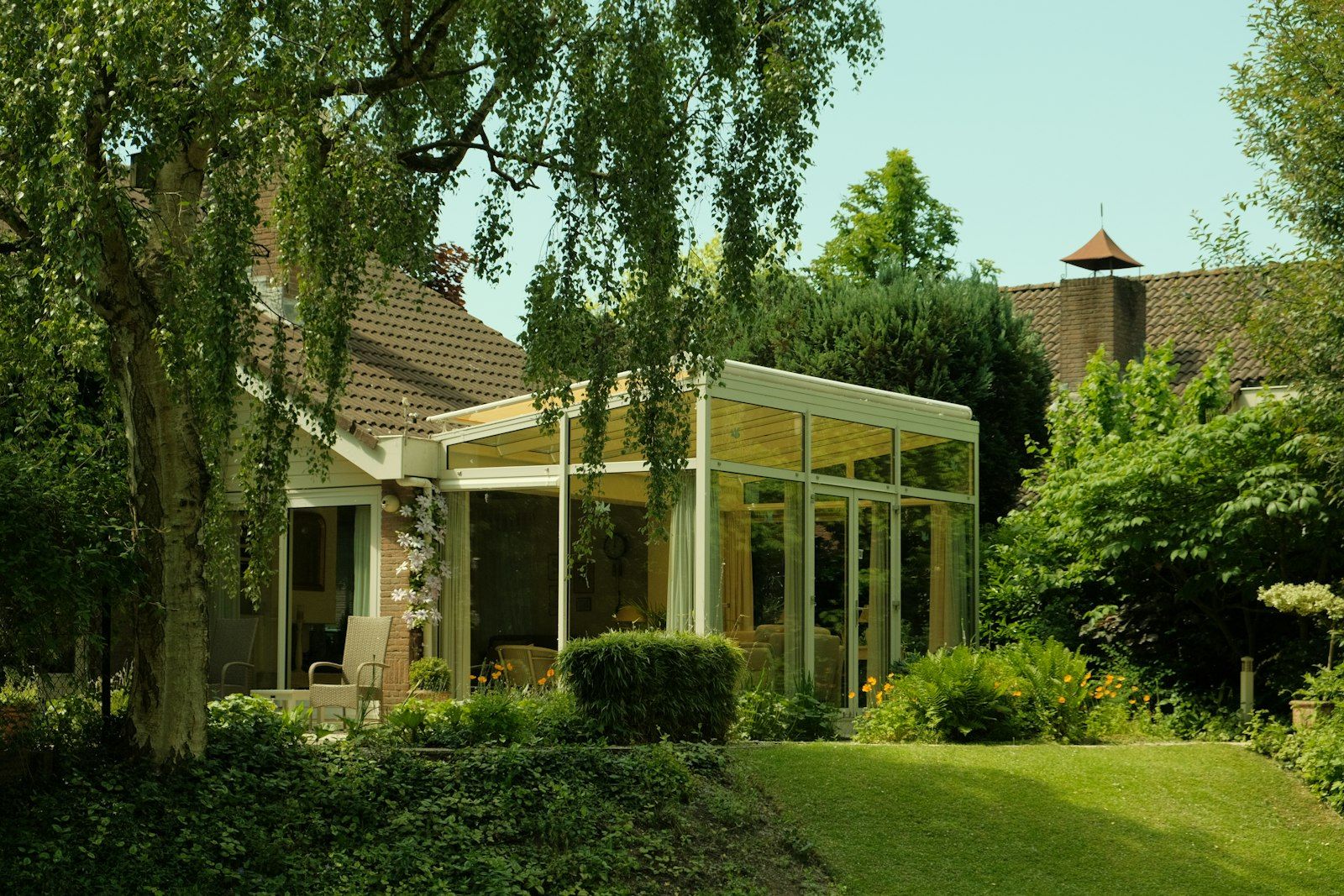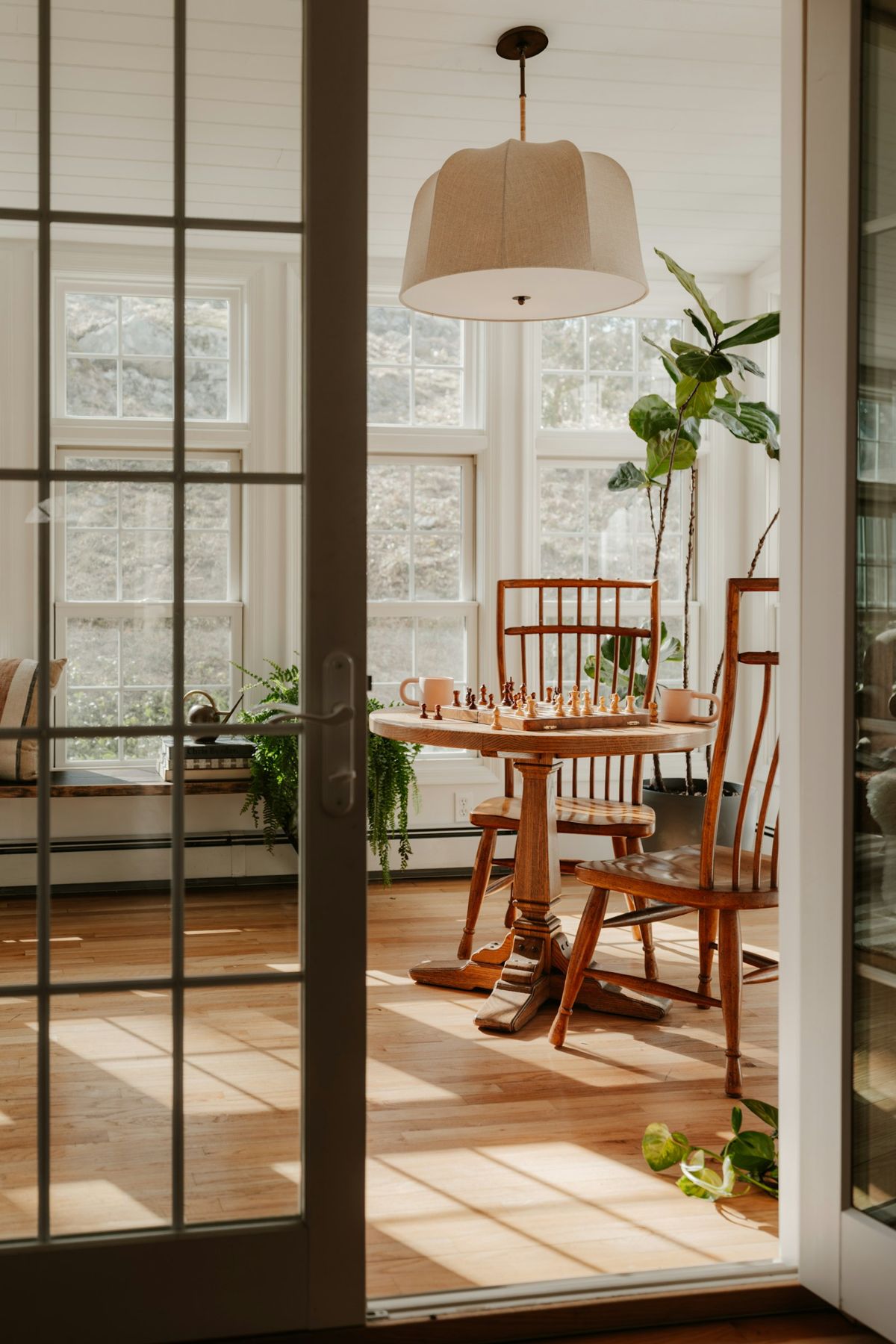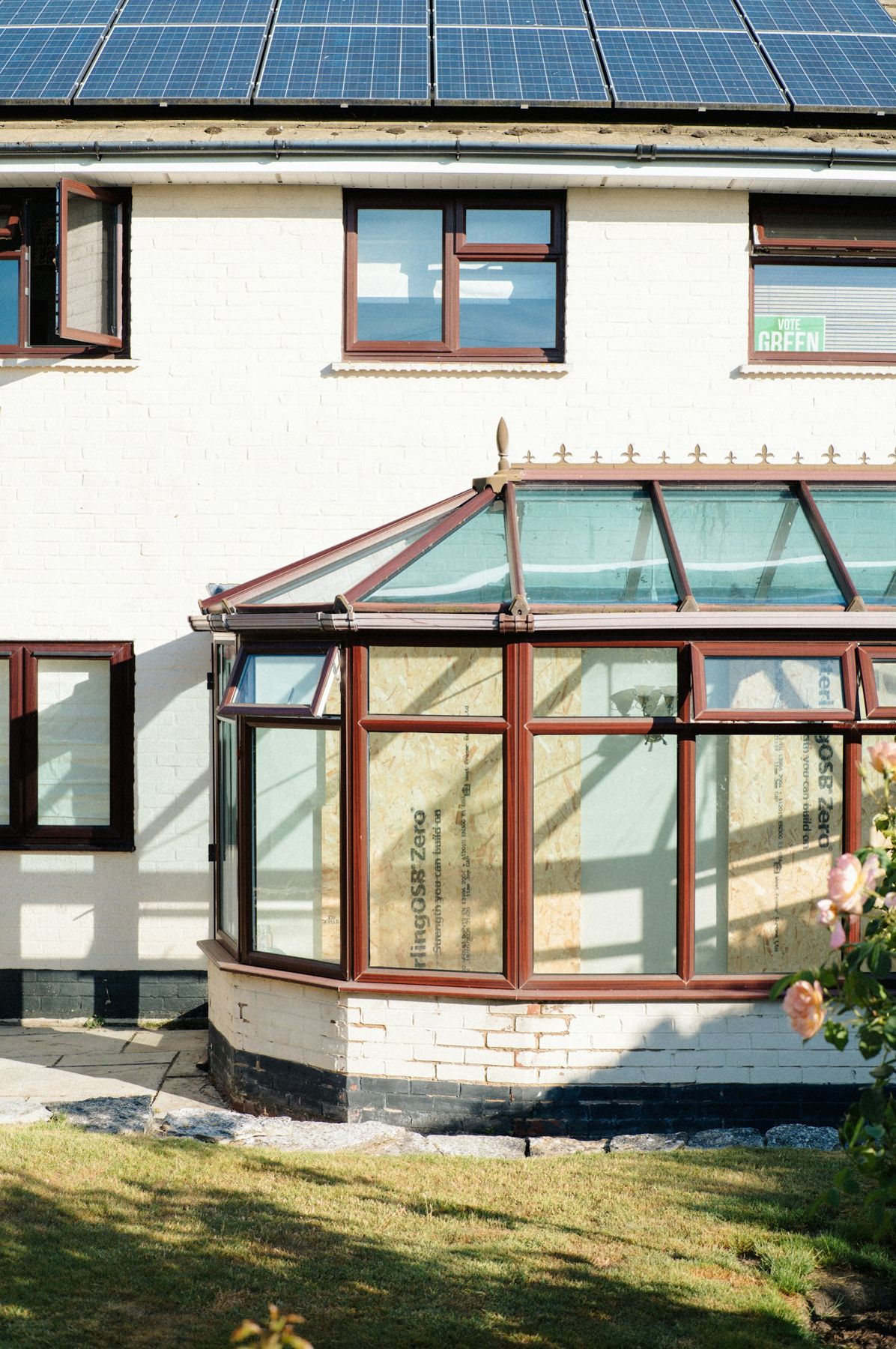
Good news first: most conservatories in Northern Ireland don’t need planning permission. A single-storey conservatory at the back of a house usually counts as permitted development, which means you can build it without applying, as long as it stays within certain limits.
The rules are set by the Planning (General Permitted Development) Order (Northern Ireland) 2015, and your local council’s planning office decides on anything that falls outside them. Here’s what that means in practice.
The usual limits for a rear conservatory
For a single-storey conservatory on the back of a house, permitted development generally allows:
- Depth: up to 3 metres from the back wall of the original house for a semi-detached or terraced house, and up to 4 metres for a detached house.
- Height: no more than 4 metres high overall.
- Near a boundary: if it’s within 2 metres of a boundary, the eaves can’t be higher than 3 metres.
- Garden space: together with other extensions and outbuildings, it can’t cover more than half the garden around the original house.
- Position: it can’t be forward of the front of the house (the side facing the road).
“Original house” means the house as it was first built, so earlier extensions count towards the limits.
When you will need planning permission
You’ll usually need to apply if:
- your house is a listed building, or in a conservation area or an area of outstanding natural beauty with extra controls;
- the conservatory would be bigger or taller than the limits above;
- it would go on the side of the house and be more than half the width of the original house, or at the front;
- your house is a flat or maisonette (permitted development rights don’t apply);
- your estate’s original planning approval removed permitted development rights, which happens on some newer developments.
A certificate of lawful development
If you’re within the rules, you don’t have to apply for anything. But many homeowners ask their council for a Certificate of Lawful Proposed Use or Development. It confirms in writing that the conservatory doesn’t need planning permission, which is reassuring and useful when you sell your house.
Planning permission isn’t the same as building regulations
Planning is about how the conservatory looks and its effect on neighbours. Building regulations are about how it’s built: structure, insulation and safety. Most conservatories are exempt from building regulations too, but not all. We cover that in our guide to conservatories and building regulations.
How we help
At your free design visit we check your house against the rules, and if you do need permission or a certificate, we prepare the drawings and deal with your council for you. The rules here are a general guide: your council’s planning office has the final word, so we always confirm before work starts.