Conservatory names can be confusing. Here’s what each of the main styles actually is, what it’s good at, and the kind of house it suits.
Victorian
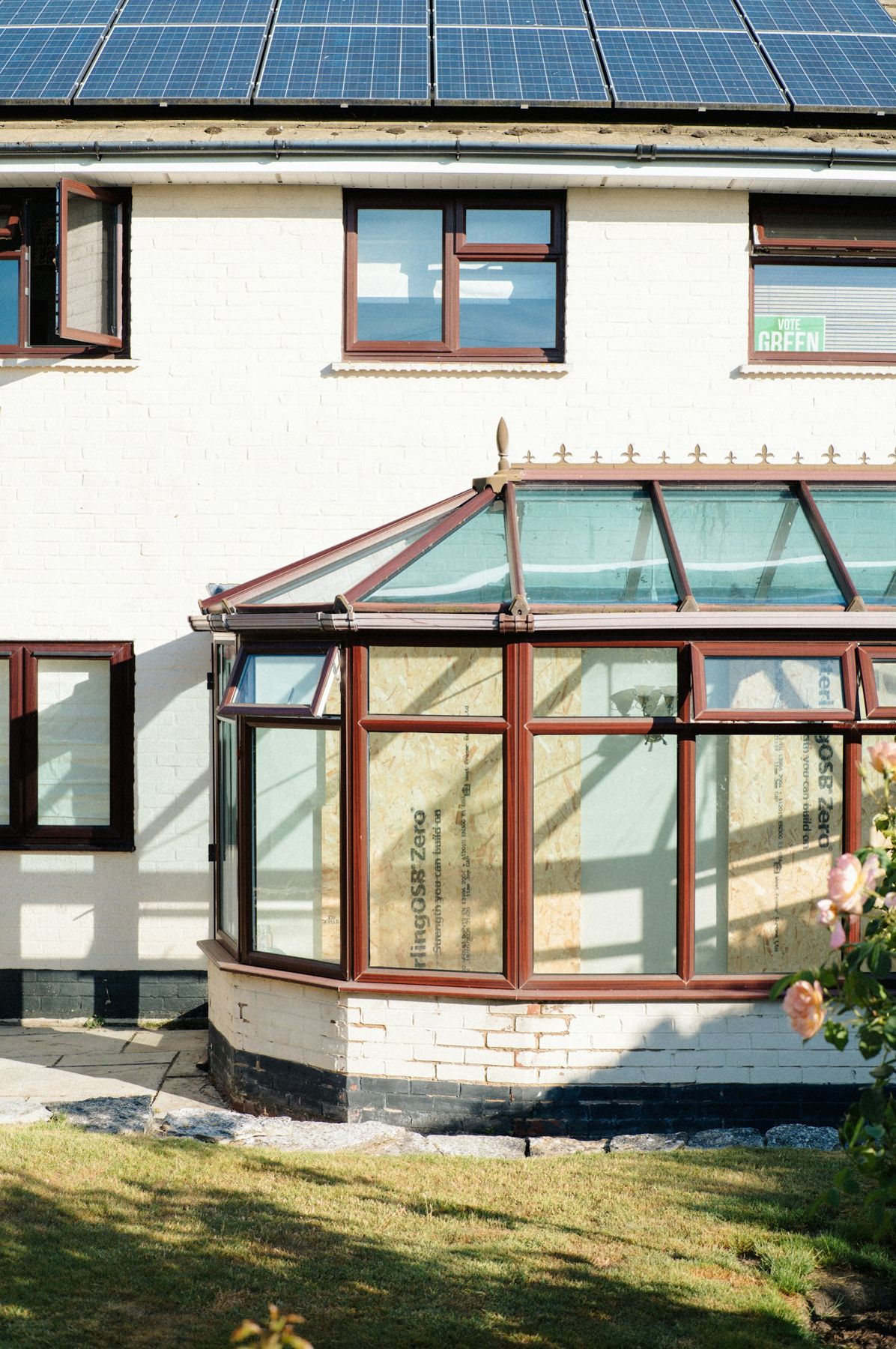
What it is: a rounded, bay-shaped front made of three or five angled sections (called facets), with a steep, ridged roof that often has decorative cresting along the top.
Good for: adding character, and softening the back of the house. The rounded end makes a lovely spot for a dining table or a pair of chairs.
Suits: period and Victorian homes, and many modern ones too. It’s one of the most popular styles in Northern Ireland.
Watch out for: the angled front takes away a little usable floor space compared with a square room.
Edwardian (or Georgian)
What it is: a square or rectangular room with a flat front and a hipped roof that slopes back on three sides.
Good for: maximum usable space. Square corners make it easy to fit furniture, rugs and a dining table.
Suits: most semis and detached houses, and anywhere you want a practical, roomy space.
Lean-to
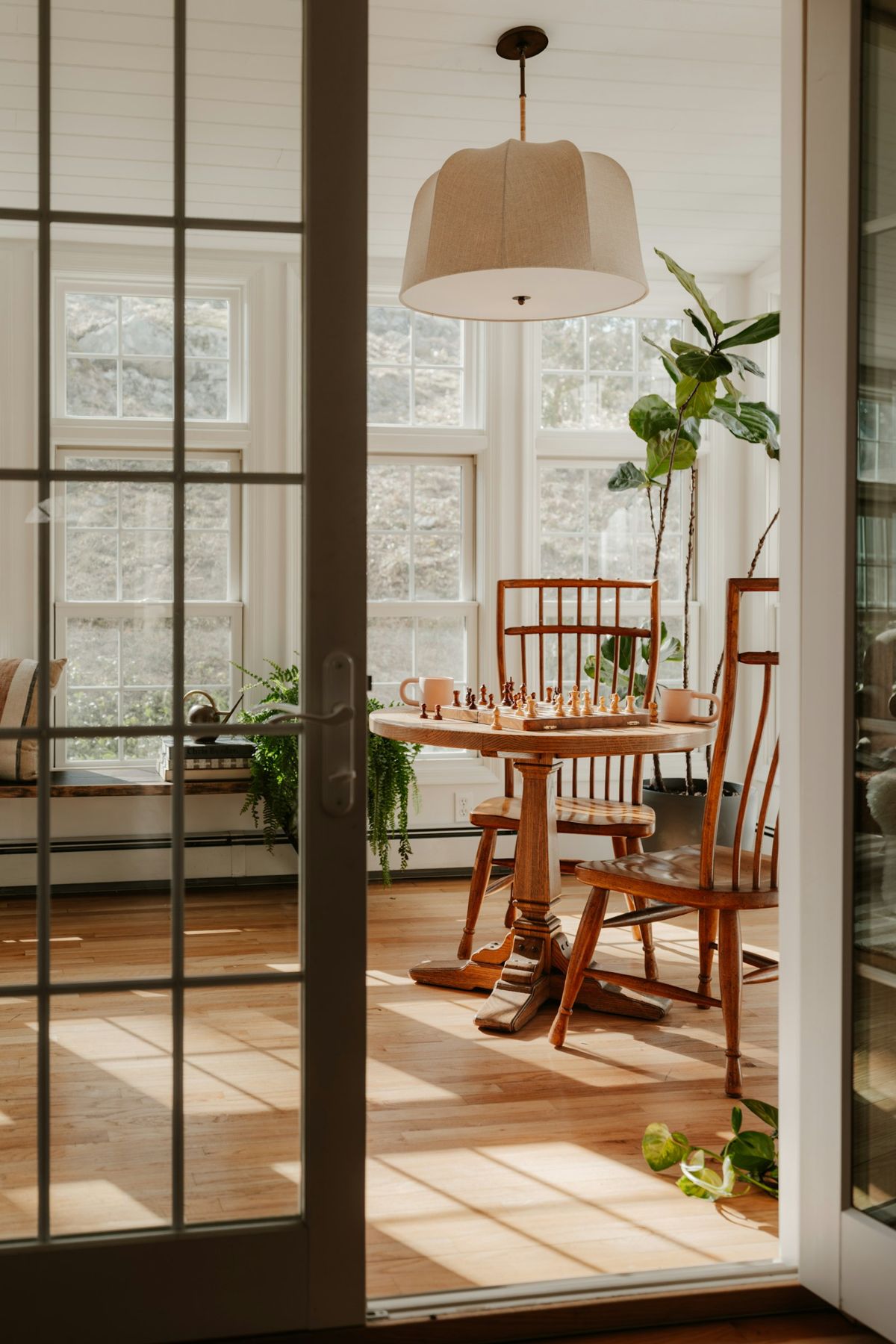
What it is: a simple room with a single roof that slopes down from the house wall, sometimes called a sunroom or garden room.
Good for: a clean, modern look, low roof lines and tighter budgets. It’s usually the most affordable shape.
Suits: bungalows, terraced houses, homes with low upstairs windows and narrower gardens.
Gable-fronted
What it is: a rectangular room with an upright, triangular glass front, so the roof doesn’t slope down at the end.
Good for: height and light. The tall front makes the room feel open and grand, and works well facing a view.
Suits: taller and older houses, and gardens with a view worth framing.
P-shaped and T-shaped
What they are: combinations. A P-shape joins a lean-to to a Victorian end, so you get a long room with a rounded section. A T-shape has a central section projecting into the garden, with wings either side.
Good for: larger homes, and creating two zones in one room: a dining area and a lounge, for example.
Orangery
What it is: more solid than a conservatory, with brick or rendered piers, a flat perimeter roof with a plastered ceiling inside and a glass roof lantern in the middle.
Good for: a room that feels like part of the house, with an even temperature and wall space. Read our conservatory vs orangery guide.
Glass extensions
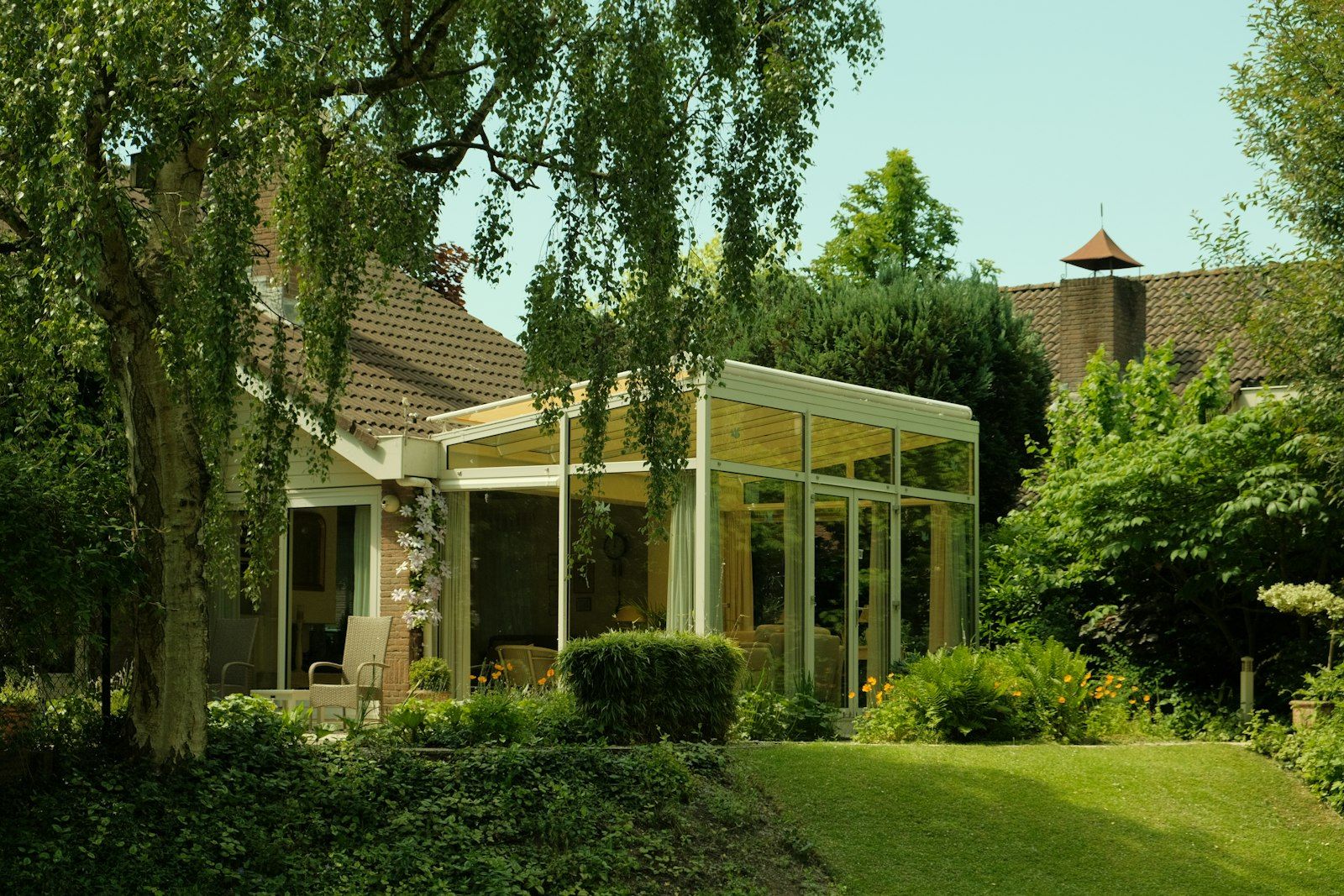
What they are: contemporary rooms with slim aluminium frames, glass roofs and wide bi-fold or sliding doors, often added to a kitchen.
Good for: modern homes and open-plan living.
Not sure which style is right?
See our guide to choosing a conservatory style for your house, or book a free design visit and we’ll show you how each would look on your home.